
CFTC Resolves Celsius Case Against Alex Mashinsky With Perma
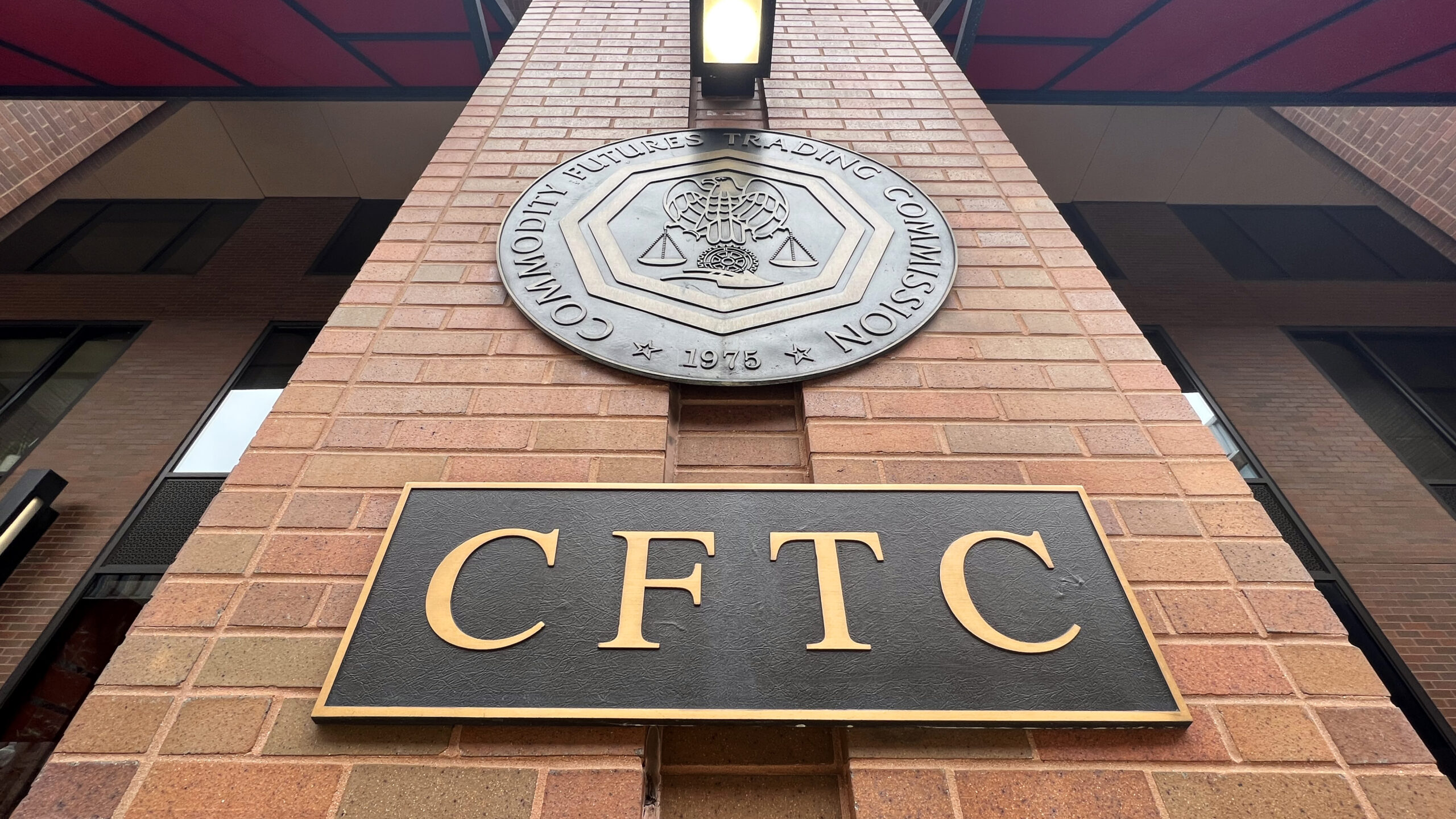


The Commodity Futures Trading Commission has resolved its civil enforcement action against Celsius founder Alex Mashinsky, closing another chapter in one of crypto’s most visible collapse-era cases.
According to the CFTC, the US District Court for the Southern District of New York entered a consent order against Mashinsky. The order permanently bans him from trading in CFTC-regulated markets and from registering with the agency in any capacity.
The settlement resolves the CFTC’s personal civil case against Mashinsky, but it should not be confused with every other legal proceeding tied to Celsius. The order sits alongside the broader criminal and civil fallout from the lender’s failure, including Mashinsky’s prior criminal conviction and forfeiture obligations.
TL;DR
-
- The CFTC has resolved its civil enforcement action against Celsius founder Alex Mashinsky.
- A consent order permanently bars Mashinsky from trading in CFTC-regulated markets.
- He is also banned from registering with the CFTC in any capacity.
- The order does not impose a new civil monetary penalty, citing prior criminal forfeiture and related proceedings.
What The CFTC Order Does
The order is straightforward in its practical effect. Mashinsky is permanently banned from participating in CFTC-regulated trading and from registering with the agency. That removes him from regulated derivatives markets and closes the CFTC’s civil enforcement path against him personally.
The CFTC’s original July 2023 complaint alleged that Celsius and Mashinsky defrauded customers and misrepresented the platform’s safety, profitability, and regulatory status. Celsius marketed itself as a place where users could earn yield on crypto assets, but the platform collapsed in 2022 after a liquidity crisis exposed deep weaknesses in its business model.
For many customers, Celsius became a symbol of the last cycle’s false comfort. The platform used bank-like language and yield promises, but users did not have the same protections they might have expected from traditional financial institutions.
No New Civil Penalty
One of the most important details is that the CFTC order does not add a new civil monetary penalty against Mashinsky. The agency said the settlement takes account of his criminal conviction and parallel forfeiture obligations.
That matters because readers may assume every enforcement resolution comes with another headline penalty. In this case, the practical punishment from the CFTC side is the permanent market and registration ban, while the monetary consequences are tied to parallel proceedings.
The distinction also helps avoid conflating the CFTC resolution with other legal matters. The CFTC action is civil. Mashinsky’s criminal case and any separate civil claims should be treated separately.
Celsius Still Shapes Crypto Regulation
Although Celsius collapsed years ago, enforcement actions tied to the platform continue to shape how regulators describe crypto lending and yield products. The core regulatory message has been consistent: platforms cannot market safety, yield, or compliance while hiding material risks from customers.
The CFTC’s resolution follows a broader enforcement pattern across the US. Crypto firms that offered yield products, lending accounts, or synthetic exposure have faced scrutiny from multiple regulators, including the CFTC, SEC, state agencies, and criminal authorities.
For the market, the case is a reminder that the last cycle’s failures are still producing legal consequences. Even as the industry moves into ETFs, stablecoin legislation, and institutional infrastructure, regulators are still closing out cases from the lending-platform collapse.
What It Means For Founders
The Mashinsky order sends a clear signal to crypto executives: personal accountability does not end when a company fails. If regulators believe executives misrepresented risk or customer protections, they can pursue bans, penalties, forfeiture, and criminal charges through different channels.
For users, the lesson is equally direct. Yield platforms should be judged by disclosures, risk controls, liquidity, and legal structure, not only by headline returns.
Celsius is no longer the center of the crypto market. But the legal aftermath remains a warning label for the industry’s next generation of lending and yield products.
This article was written by the News Desk and edited by Samuel Rae.
This report is based on information from the CFTC. at CFTC

Editorial Process for bitcoinist is centered on delivering thoroughly researched, accurate, and unbiased content. We uphold strict sourcing standards, and each page undergoes diligent review by our team of top technology experts and seasoned editors. This process ensures the integrity, relevance, and value of our content for our readers.



